Global Weather Shifts 2024: Heatwaves, Floods and Policy Impact
Global Weather Shifts 2024: Heatwaves, Floods and Policy Impact
The world’s climate narrative has taken a dramatic turn in 2024. Across continents, communities are confronting record‑breaking heat, unprecedented flooding, and a cascade of secondary effects that threaten food security, public health, and economic stability. As scientists warn that these patterns are likely to intensify, governments and international bodies are racing to align policy with the new reality.
Rising Heatwaves Across the Globe
Heatwaves have surged in frequency and intensity, setting new temperature benchmarks in regions that have never before experienced such extremes. In July, the European Union recorded an average temperature of 38.7°C (101.7°F) in several western cities, surpassing the previous record by 2.3°C. In the United States, the Southwest endured a historic 54°C (129°F) reading in Death Valley, the highest temperature ever documented on the continent.
Key Statistics
- More than 120 million people were exposed to temperatures above 40°C (104°F) for at least three consecutive days.
- Heat‑related mortality rose by 18% compared to the same period in 2023.
- Energy demand for cooling peaked at 22% above the 2019 baseline, stressing power grids worldwide.
These spikes are not isolated incidents. The World Meteorological Organization (WMO) attributes the trend to a combination of greenhouse‑gas accumulation and altered atmospheric circulation patterns, notably the strengthening of the jet stream that traps hot air masses over land.
Historic Flood Events in 2024
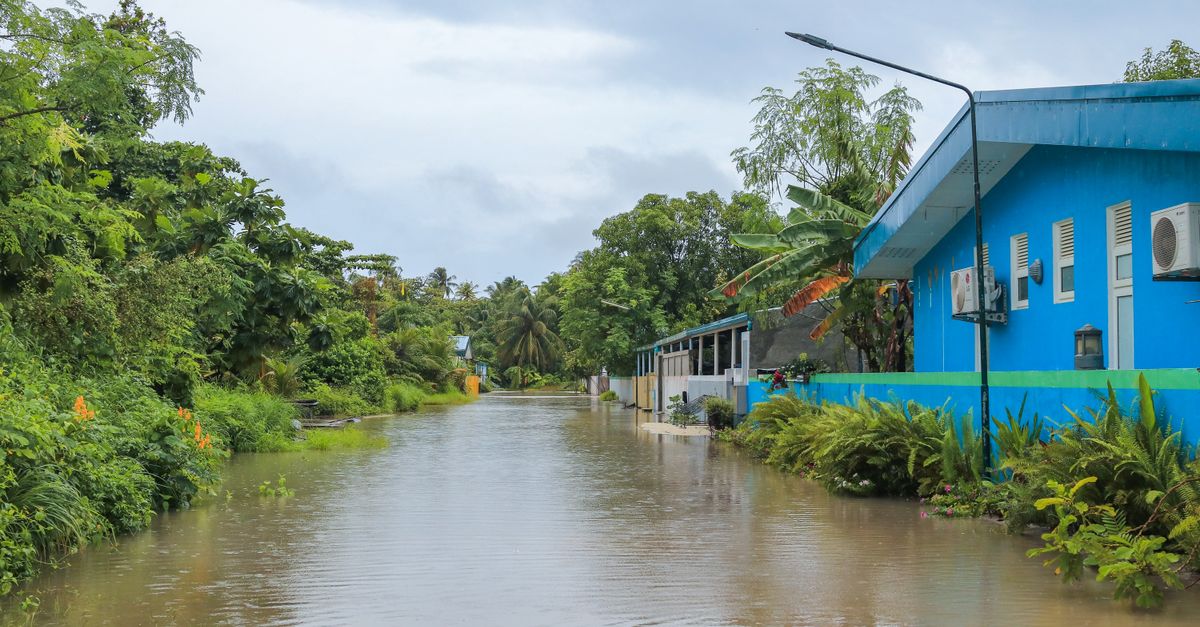
While heat dominates headlines, catastrophic flooding has claimed an equally tragic toll. In June, South Asia experienced the monsoon’s most violent episode in a decade, with the Ganges‑Brahmaputra basin receiving 450 mm of rain in 48 hours—over 150% of the seasonal average. The resulting floods displaced an estimated 15 million people and caused $30 billion in damages.
Regional Highlights
- China: The Yangtze River breached its banks, inundating over 3 million residents and prompting the largest emergency evacuation in the country’s recent history.
- Europe: Central European nations, especially Germany and Austria, faced unprecedented river swelling, leading to the closure of major transport corridors for three weeks.
- Africa: In the Sahel, flash floods destroyed over 200,000 hectares of cropland, threatening the livelihoods of millions.
Hydrologists link these extreme events to a warmer atmosphere’s capacity to hold moisture—approximately 7% more water vapor per degree Celsius of warming—fueling heavier downpours.
Impact on Agriculture and Public Health
The twin threats of heat and flood are reshaping the agricultural landscape. Crop yields for staple grains such as wheat and rice have fallen by 6% and 4% respectively in 2024, according to the Food and Agriculture Organization (FAO). Heat stress during critical pollination windows and waterlogged soils during flood seasons have combined to erode productivity.
Public health systems are also under strain. Heatstroke cases surged in urban centers, while flood‑related waterborne diseases—particularly cholera and leptospirosis—have re‑emerged in low‑income regions. The World Health Organization (WHO) estimates that climate‑linked illnesses have risen by 12% globally this year.
International Policy Responses
Recognizing the urgency, several nations have introduced or accelerated climate‑resilient policies. The European Union unveiled the “Heat‑Ready Cities” initiative, allocating €4 billion to upgrade urban cooling infrastructure, expand green roofs, and improve early‑warning systems.
In the United States, the Climate Resilience Act passed bipartisan support, earmarking $15 billion for flood‑defense projects along the Gulf Coast and the Mississippi River basin. Meanwhile, China announced a massive reforestation program aimed at restoring 10 million hectares of degraded land by 2030, a move intended to mitigate runoff and stabilize local climates.
Policy Highlights in Bullet Form
- EU’s Heat‑Ready Cities: €4 billion for cooling corridors, public shelters, and urban greening.
- US Climate Resilience Act: $15 billion for levee upgrades, floodplain restoration, and community relocation grants.
- China’s Reforestation Commitment: 10 million hectares by 2030 to reduce soil erosion and enhance carbon sinks.
- India’s National Flood Management Plan: Integrated river‑basin monitoring and early‑warning networks covering 85% of vulnerable districts.
These measures, while significant, are widely regarded as initial steps. Climate analysts stress that without a rapid reduction in emissions—targeting net‑zero by 2050—the financial and human costs will continue to outpace policy interventions.
Expert Perspectives and Forecasts
Leading climatologists warn that the patterns observed in 2024 are likely to become the new norm. Dr. Elena Martínez of the International Climate Institute noted, “We are witnessing a climate ‘tipping point’ where extreme events are no longer outliers but regular occurrences. Adaptation must be systemic, not reactive.”
Economic forecasters predict that climate‑related losses could reach $500 billion annually by 2030 if current trends persist, dwarfing the combined GDP of many mid‑size economies.
Nevertheless, there is cautious optimism. Advances in climate modeling, coupled with greater data sharing among nations, are improving the accuracy of seasonal forecasts. Early warning systems deployed in Southeast Asia have already reduced flood mortality by 30% compared to the previous year.
What’s Next?
As 2024 draws to a close, the world faces a pivotal moment. The convergence of extreme weather, mounting economic pressures, and evolving policy frameworks suggests that the coming years will be defined by how swiftly societies can transition from mitigation to robust adaptation. Continued investment in resilient infrastructure, transparent climate finance, and community‑level preparedness will be essential to safeguard lives and livelihoods.
For readers, the takeaway is clear: weather is no longer a distant scientific concern—it is an immediate, daily reality that demands informed action, both at the individual and governmental levels.