Tristan da Cunha Confronts Climate Change and Volcanic Threats
Tristan da Cunha Confronts Climate Change and Volcanic Threats
In the middle of the South Atlantic, a speck of land known as Tristan da Cunha has long been celebrated for its isolation and pristine environment. Yet this remote community now finds itself at the crossroads of two powerful forces: accelerating climate change and a reawakening volcano. As scientists monitor shifting ocean temperatures and residents brace for potential eruptions, the island’s future hangs in a delicate balance.
Climate Change Impacts on the World’s Most Remote Island
For decades, Tristan da Cunha’s climate has been relatively stable, with mild temperatures ranging from 15°C to 22°C (59°F‑72°F). Recent data, however, tells a different story. The island has experienced a 0.7°C rise in average annual temperature over the past 30 years, mirroring global trends. Warmer waters have altered fish migration patterns, threatening the island’s primary source of protein and income.
Key climate indicators include:
- Sea‑level rise: Measurements show a 12‑centimeter increase since 1993, encroaching on low‑lying coastal zones.
- Increased storm frequency: The number of tropical‑like storms hitting the island has risen from an average of one per decade to three in the last ten years.
- Changing precipitation: Annual rainfall has become more erratic, with droughts followed by intense downpours, affecting agriculture and freshwater supplies.
These changes are not abstract numbers; they directly affect the 250‑plus residents who rely on subsistence farming, limited imports, and a fragile fishing industry. The community’s food security is now under threat, prompting urgent discussions about diversification and resilience.
Volcanic Activity Resurfaces After Decades of Dormancy
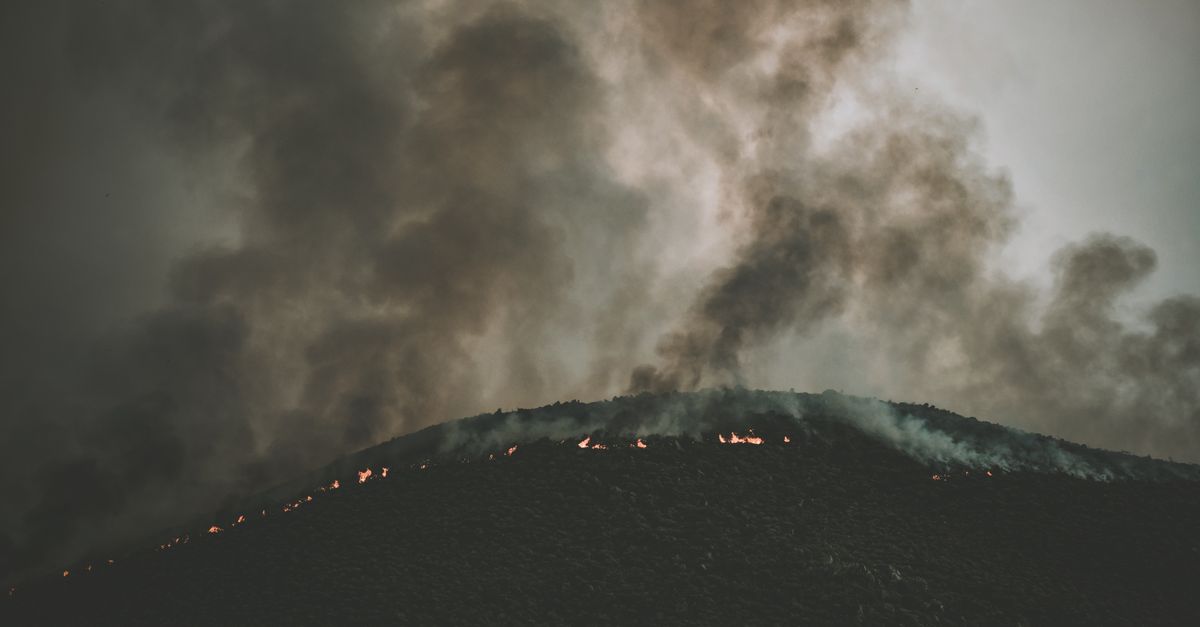
While climate concerns dominate headlines, the island’s geological heartbeat has begun to quicken. Tristan da Cunha’s volcanic cone, known locally as Queen Mary’s Peak, last erupted in 1961. Since then, the volcano has been largely silent, but seismic monitors installed by the British Antarctic Survey have detected a series of low‑magnitude tremors over the past six months.
Scientists warn that these tremors could signal a potential reactivation of the volcano. If an eruption occurs, the consequences could be severe:
- Ash fallout could cripple the island’s limited agriculture.
- Lava flows might threaten the only settlement, Edinburgh of the Seven Seas, perched on the island’s western flank.
- Marine ecosystems could be disrupted by volcanic gases and sedimentation.
Emergency response plans are being updated, and a temporary evacuation protocol has been drafted in collaboration with the UK’s Foreign, Commonwealth & Development Office.
Community Response and Resilience Building
Faced with these dual challenges, Tristan da Cunha’s residents have demonstrated remarkable adaptability. The island’s council, led by Mayor James Glass, has launched a multi‑pronged strategy that blends traditional knowledge with modern science.
Renewable Energy Initiatives
Historically powered by diesel generators, the island is transitioning to renewable sources. A solar‑wind hybrid system, funded by a UK grant, now supplies 40% of the community’s electricity demand. The goal is to reach 80% renewable penetration by 2030, reducing dependence on imported fuel and cutting greenhouse‑gas emissions.
Food Security Programs
To counteract volatile fish stocks and unpredictable rainfall, locals have expanded greenhouse cultivation using hydroponic techniques. The initiative, supported by the University of Southampton’s marine biology department, has already increased vegetable yields by 25%.
Scientific Collaboration and Monitoring
International researchers have established a permanent monitoring station on the island’s highest point. The station tracks seismic activity, atmospheric composition, and oceanic changes in real time, feeding data to global climate models. This partnership not only enhances early warning capabilities but also puts Tristan da Cunha on the map as a critical observation point for the Southern Ocean.
What the Numbers Reveal
Quantitative data underscores the urgency:
- Average sea‑level rise: 12 cm (4.7 in) since 1993.
- Temperature increase: 0.7 °C (1.3 °F) over 30 years.
- Seismic activity: 12 tremors ≥ M2.5 recorded in the last six months.
- Renewable energy share: 40% of total electricity as of 2024.
- Greenhouse vegetable production: up 25% since 2022.
These figures illustrate a community that is not merely reacting but proactively shaping its destiny.
International Attention and Funding
The island’s plight has attracted attention from environmental NGOs and climate policy forums. The United Nations’ Small Island Developing States (SIDS) platform highlighted Tristan da Cunha as a case study for integrated climate‑volcanic risk management. In response, the UK government pledged £3 million over the next five years for infrastructure upgrades, emergency preparedness, and research.
Conclusion: A Testbed for Resilience
Tristan da Cunha’s story is a microcosm of the broader challenges facing isolated communities worldwide. By confronting climate change and volcanic threats simultaneously, the island is becoming a living laboratory for sustainable adaptation. The lessons learned here—community engagement, renewable energy adoption, and robust scientific monitoring—could inform policies for other vulnerable regions.
What’s Next?
Looking ahead, the island’s leaders are focused on three priority actions: completing the renewable energy transition, finalizing an evacuation plan in case of volcanic eruption, and strengthening international research collaborations. As the world watches, Tristan da Cunha may well become a beacon of hope, showing that even the most remote corners of the planet can rise to meet the climate and geological challenges of the 21st century.